20 of the World’s Best Carnivals
Everyone knows Rio Carnival, but here are some of the other best places around the world where you can celebrate carnival.
Italy
From January 31 to February 17, 2026
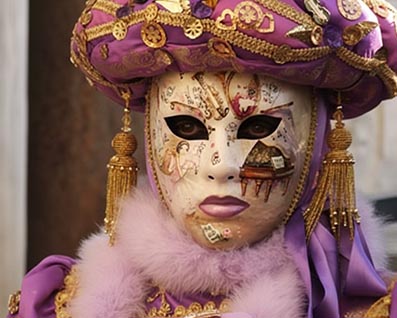
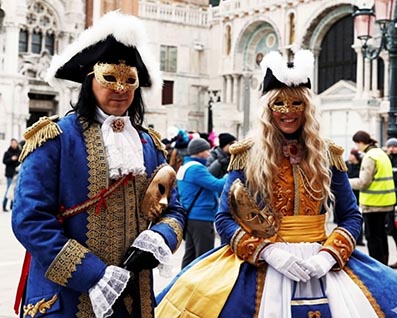
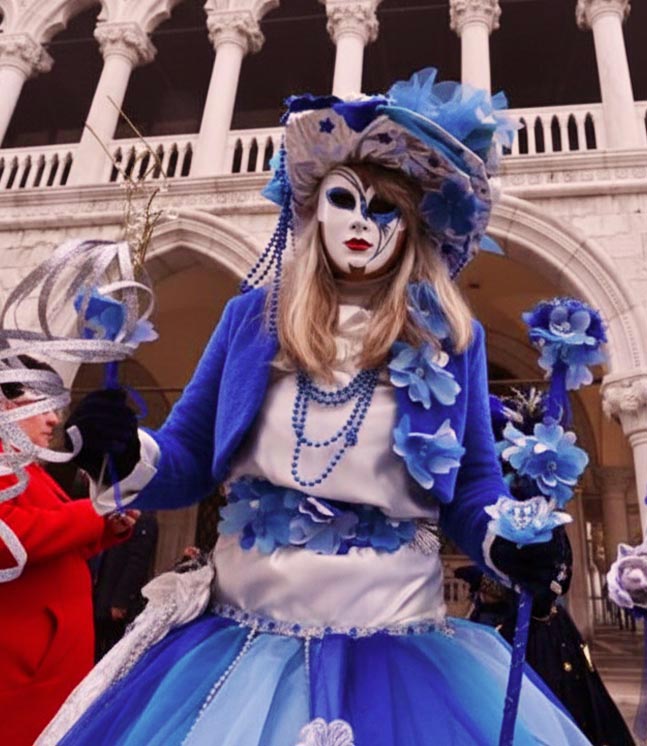
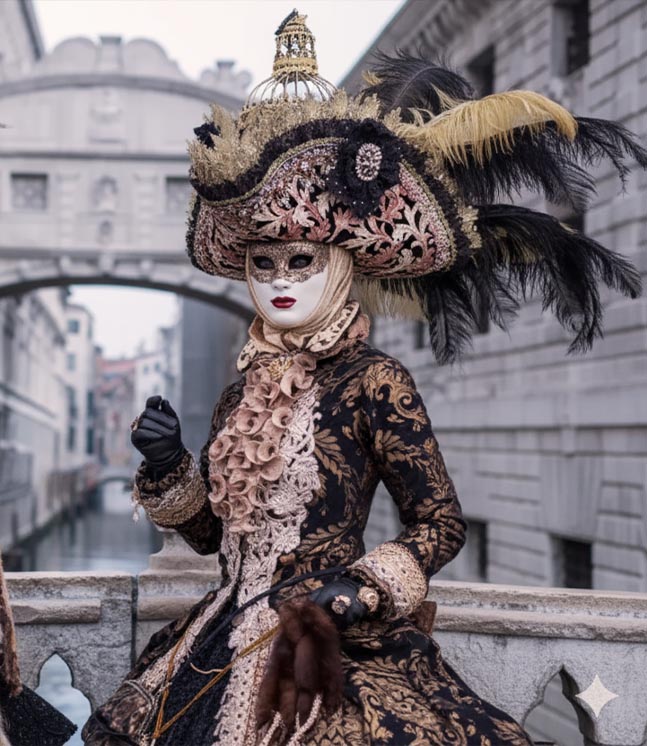
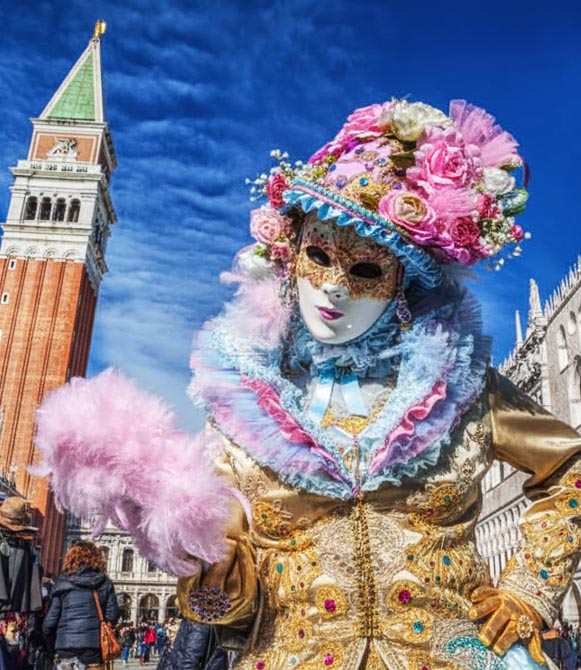
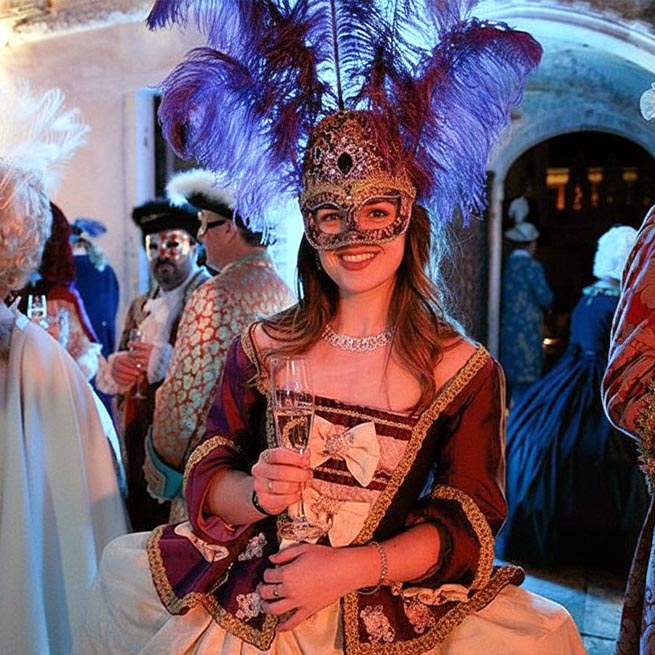
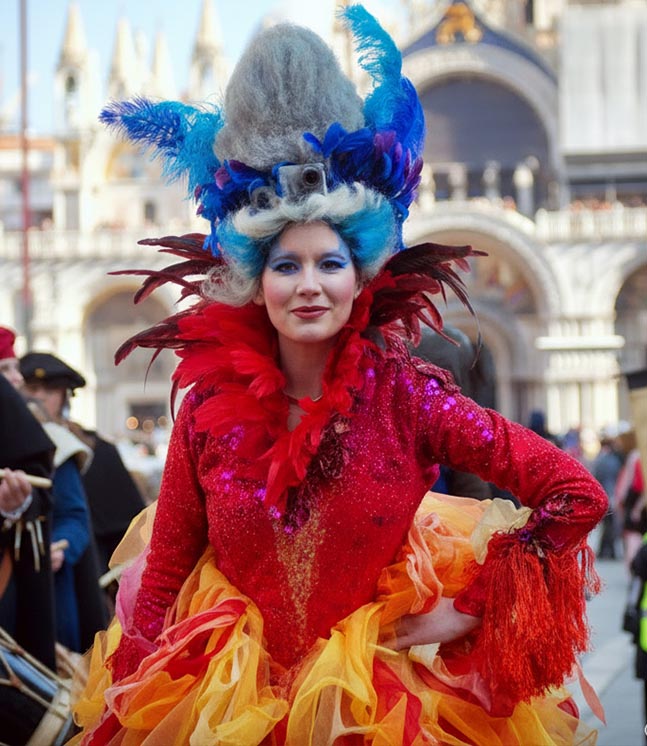
The Venice Carnival is one of the most famous carnivals in the world. Every year, 3 million people flock to this floating city to soak in the iconic landscape, admire the extravagant costumes, and be part of an electric atmosphere.
There is no other place in the world that celebrates carnival like Venice, and everyone should experience it at least once in their lifetime!
The Venice Carnival in 2026 will be celebrated from January 31 to February 17. This event is known for its elaborate costumes and masks, attracting thousands of visitors each year.
The Venice Carnival always ends on Carnival Tuesday, the day before Ash Wednesday, which is the last day to indulge in gluttony, excess, and debauchery before the 40 days of Lent begin.
It is said that the last weekend of the Venice Carnival is the best time to attend. Therefore, from Fat Thursday (Giovedì Grasso) to Carnival Tuesday (Martedì Grasso) is when the best events take place. It is also the busiest time to be in Venice during the Carnival.
When will the Venice Carnival be in 2026?
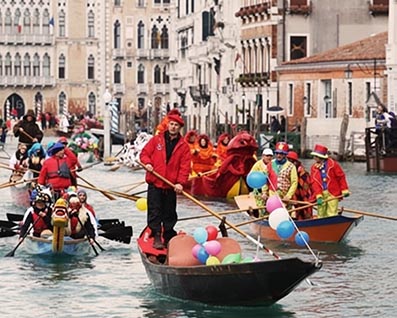
The Venice Carnival in 2026 will officially take place from January 31 to February 17, 2026. This period includes a wide range of events such as: The Flight of the Angel (Volo dell’Angelo) in St. Mark’s Square, Masked balls in historic palaces, Water parades on the Grand Canal, Street performances and costume contests.
Some sources mention that the main events and peak celebrations will be concentrated between February 7 and February 17, but the festivities begin as early as January 31.


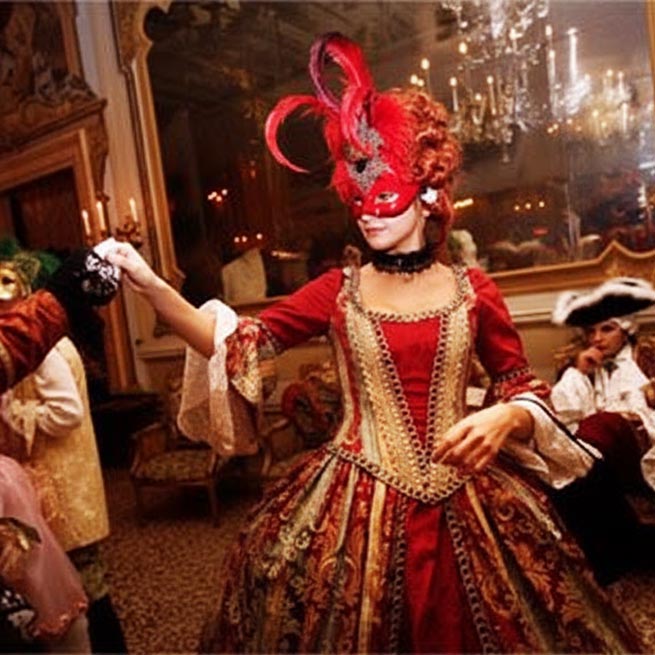
The Venice Carnival is both a public and private celebration of carnival. During the day, you can witness free public events and admire the grand costumes. But at night, masquerade balls and parties take place in private Venetian palaces.
These acts represent the central moments of the celebration and are what each visitor can expect to find year after year.
This event marks the opening of the Carnival. It consists of a water parade on the Grand Canal, featuring gondolas and boats decorated with lights and artistic elements. During the parade, musical and theatrical performances take place.
It is considered the official start of the festive atmosphere in the city.
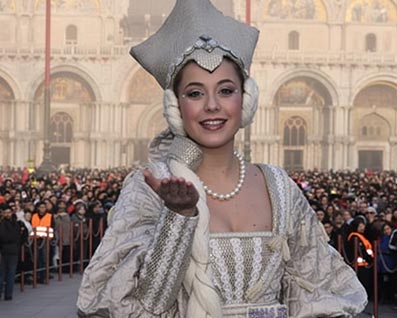
The Feast of the Marias is a traditional parade featuring twelve young Venetian women. Dressed in historical costumes, they travel through the city to reach St. Mark’s Square.
This event recalls an ancient medieval custom and represents one of the moments most linked to the history of the Carnival.
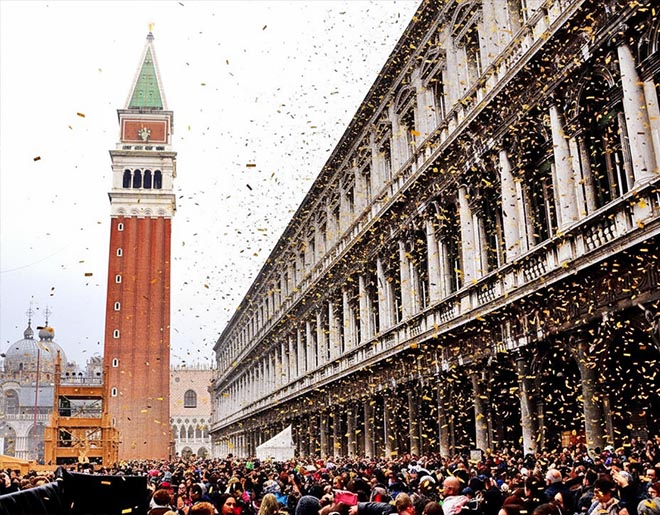
The Flight of the Angel is one of the most representative acts. It involves the descent of an artist from the top of the Campanile of St. Mark using a zip line, down to the square of the same name.
The event is usually held on the first Sunday of the Carnival and is considered the official opening of the celebrations in St. Mark’s Square.
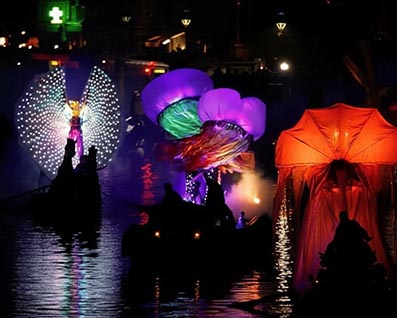
The ancient Arsenal of Venice transforms during the Carnival into a stage for a nighttime water show. It includes light displays, music, acrobatics, and theatrical performances.
Although the content changes each edition, it remains one of the fixed activities within the festival program.
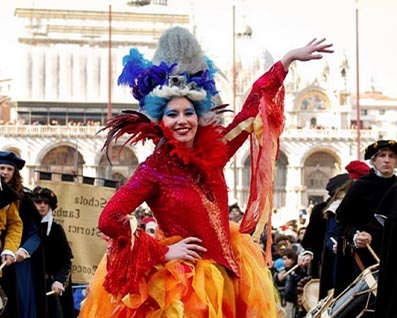
Every day during Carnival, a public contest is held in St. Mark’s Square where participants showcase elaborate costumes and masks.
A jury selects the best in various categories, and the final takes place on the last day of the celebration.
The Carnival concludes with the celebrations of Carnival Tuesday, the day before Ash Wednesday. On this day, the grand final of the mask contest and various events occur in St. Mark’s Square.
It is the official closing of the carnival.
Venice is like eating an entire box of chocolate liqueurs in one go.Truman Capote
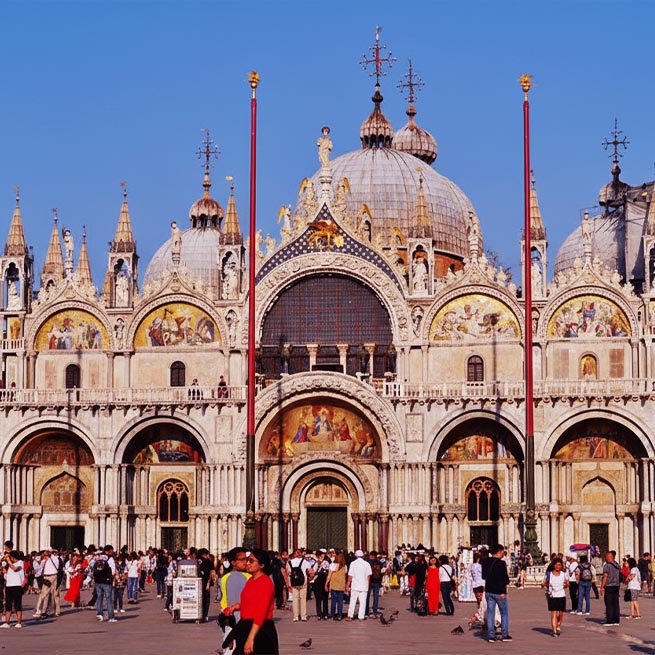
The Venice Carnival takes place in the city of Venice, Italy, one of the most emblematic and magical places in the world. The celebration is mainly experienced in the historic center of the city, where the squares, canals, and narrow streets transform into a stage filled with masks, costumes, and outdoor shows. St. Mark’s Square is the heart of the carnival, featuring parades, contests, and performances that gather thousands of visitors each year.
In addition to the square, the carnival extends throughout the city: the Venetian palaces open their doors for lavish masquerade balls, the gondolas become part of the spectacle sailing through the canals, and every corner is filled with color and mystery. This unique atmosphere makes Venice an unrepeatable place to experience the carnival, where history, tradition, and fantasy blend in every detail.
Venice Carnival is one of the oldest carnivals in the world; in fact, the first documented mention was back in 1094. Carnival was a Catholic tradition, a period of feasting, excess, and extravagant celebration before the start of Lent, which is 40 days of fasting and sacrifice leading up to Easter.
By the 18th century, the Venice Carnival reached its maximum splendor. It was a celebration that knew no bounds. Carnival had also gained international recognition and attracted visitors from all over Europe. Venice was the pleasure playground of Europe and was known for living the good life. It was also the center of gambling, essentially the Las Vegas of its day.
Venetians unabashedly took part in lots of debauchery and revelry during carnival. They were able to get away with a lot of things that you couldn’t because their identity and sins were concealed behind their masks. There were lots of wild parties, illicit liaisons, gambling, sleeping around, and bloody bullfights. During this period, carnival would last for six months! It was also during this time that the famous adventurer, artist, and ‘womanizer’ Giacomo Casanova lived in Venice.
When Napoleon and his troops invaded Venice in 1797, carnival was banned. This happened again in a later occupation by the Austrian Empire, which officially marked the end of Venice’s long reign of independence, and carnival was banned. This ban lasted over 200 years and was only relatively recently revived in 1979. Venice Carnival quickly returned to its glory days as it is now one of the most famous and popular carnivals in the world.
You have no idea what to do, what to see, where to stay, where to eat, how to get there, or what to bring to not miss out on the Carnival of Venice. Relax, here we tell you everything you need. Just prepare to enjoy it like never before.

¿What to do at the Venice Carnival? During the Venice Carnival, you can experience unique moments: participate in mask parades in St. Mark's Square, attend period balls in historic palaces, enjoy street performances with musicians and acrobats, or join private parties in luxury hotels. You can also take a gondola ride in costume, join workshops to create your own handmade mask, and explore neighborhoods filled with festive atmosphere. The entire city transforms into a magical stage where both tourists and locals celebrate, creating an unforgettable experience of tradition, art, and joy.

¿What to see at the Venice Carnival? During the carnival, Venice offers must-see corners and events: St. Mark's Square, the heart of the celebrations, where parades and costume contests take place; the Grand Canal, which you can traverse by vaporetto or gondola to see the city dressed for the occasion; and the majestic Doge's Palace, where exclusive balls are sometimes held. You also cannot miss the “Flight of the Angel” from the bell tower, the colorful street markets, or theaters like La Fenice, with operas and special concerts. Every corner vibrates with lights, music, and masks, turning the city into a fascinating visual spectacle.

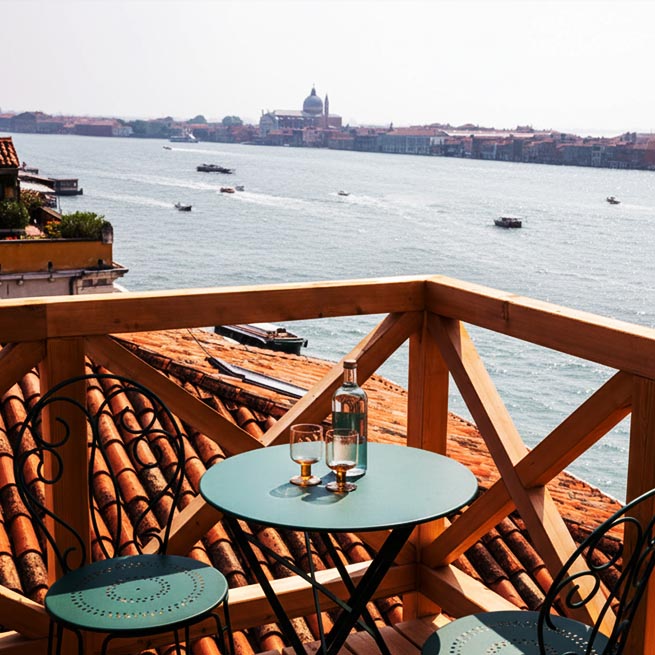
¿Where to stay during the Venice Carnival? During carnival, it's essential to book in advance as the city fills up. You can opt for luxury hotels on the Grand Canal like Gritti Palace or Danieli, where private parties are organized, or choose boutique accommodations in the San Marco district, very close to the action. For more tranquility and more affordable prices, Cannaregio and Dorsoduro are excellent alternatives, with charming hotels and good vaporetto connections. There are also options for tourist apartments ideal for groups or families. Whichever you choose, you will be immersed in a vibrant atmosphere full of Venetian tradition.

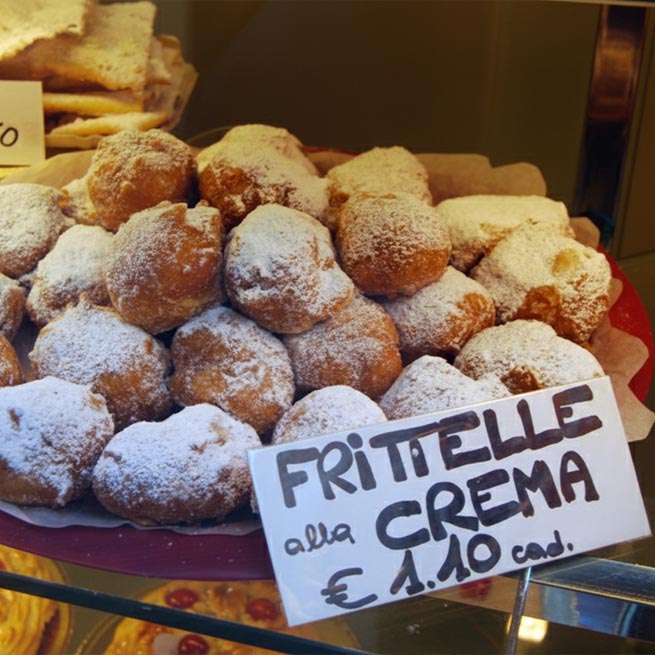
¿Where and what to eat during the Venice Carnival? Venetian cuisine during carnival combines tradition and celebration. You can savor typical sweets like “frittelle” filled with cream or zabaglione, available in local pastry shops. For a complete experience, try fresh seafood in traditional osterias, “cicchetti” in bacari (small bars) accompanied by local wine, or iconic dishes like risotto al nero di seppia and pasta with seafood. If you seek elegance, reserve at restaurants with views of the Grand Canal, while the more adventurous might discover family trattorias in less touristy neighborhoods. Eating in Venice during carnival means savoring the essence of Venice among masks, music, and constant celebration.

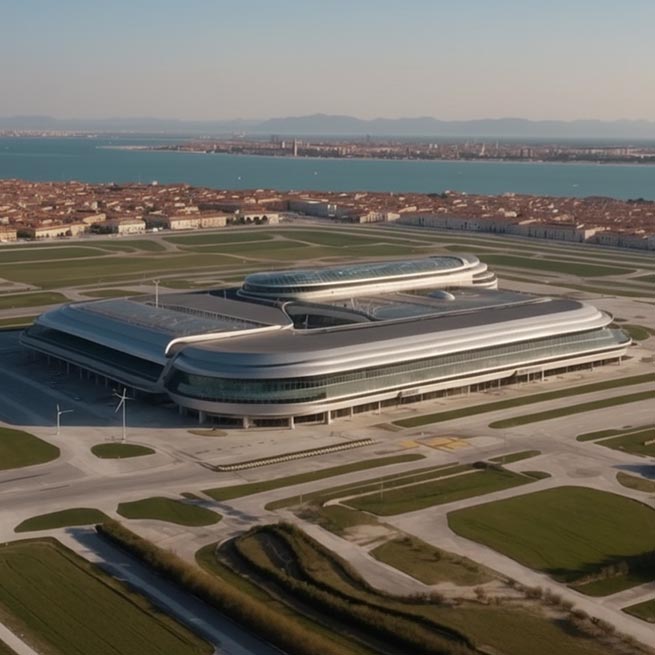
¿How to get to the Venice Carnival? Getting to Venice during carnival is simple with several options. By plane, Marco Polo Airport is the main gateway, with bus and water taxi connections to the center. You can also reach Treviso Airport, which is more economical and well-connected by bus transfers. By train, Santa Lucia station drops you directly on the island, while by car you can park in Mestre or Tronchetto and continue by vaporetto. Another option is to arrive by cruise, with stops right in front of the city. Whatever your choice, the journey is already part of the magical experience.

¿What to bring to the Venice Carnival? To fully enjoy the carnival, wear comfortable yet elegant clothing, light coats for the cold of February, waterproof shoes for walking around streets and bridges, and a Venetian mask if you wish to immerse yourself in the celebrations. It’s also advisable to bring festive accessories, gloves, a folding umbrella, and a camera to capture unique moments. If you plan to attend a gala ball, you will need formal or period attire, which you can even rent in the city. Don't forget cash for markets and small bars, and a light backpack for carrying shopping. With these essentials, you'll be ready to experience Venice to the fullest.

Everyone knows Rio Carnival, but here are some of the other best places around the world where you can celebrate carnival.

Here is everything you need to know about the history and the origins of carnival, the world’s oldest party!

Rio de Janeiro Carnival is the biggest & most famous carnival celebration in the world. Rio hosts the world-famous parades, street parties & masquerade balls.

The Tenerife Carnival is the biggest party in Europe. Here are the best suggestions to have the time of your life.

Masks throughout history have been one of the most sacred objects for many civilizations. To understand why they are, it is necessary to delve into their history.
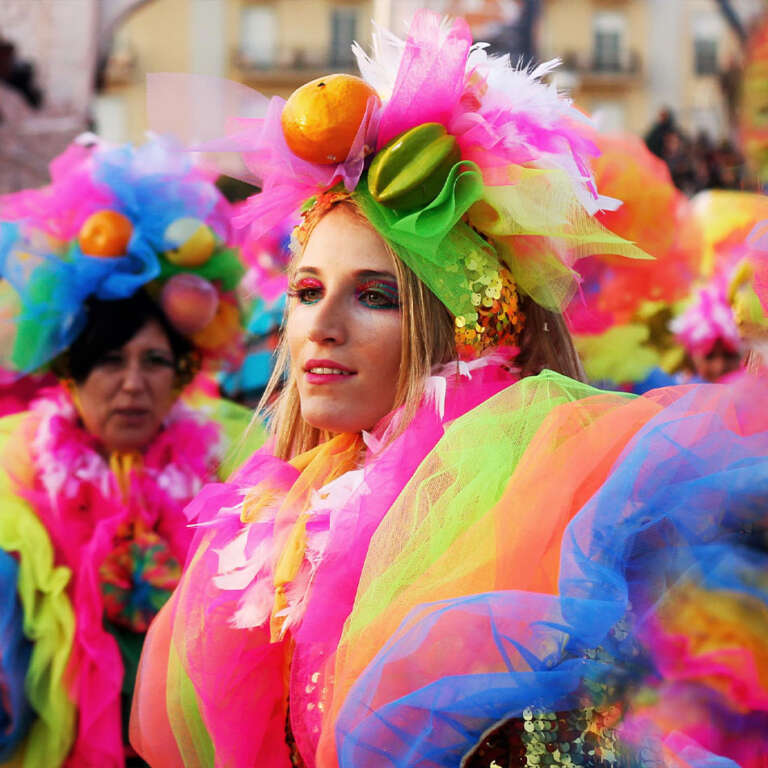
February 1 to 21, 2026
Giant floats, beautiful masks, hypnotic dances, joy, and fun.
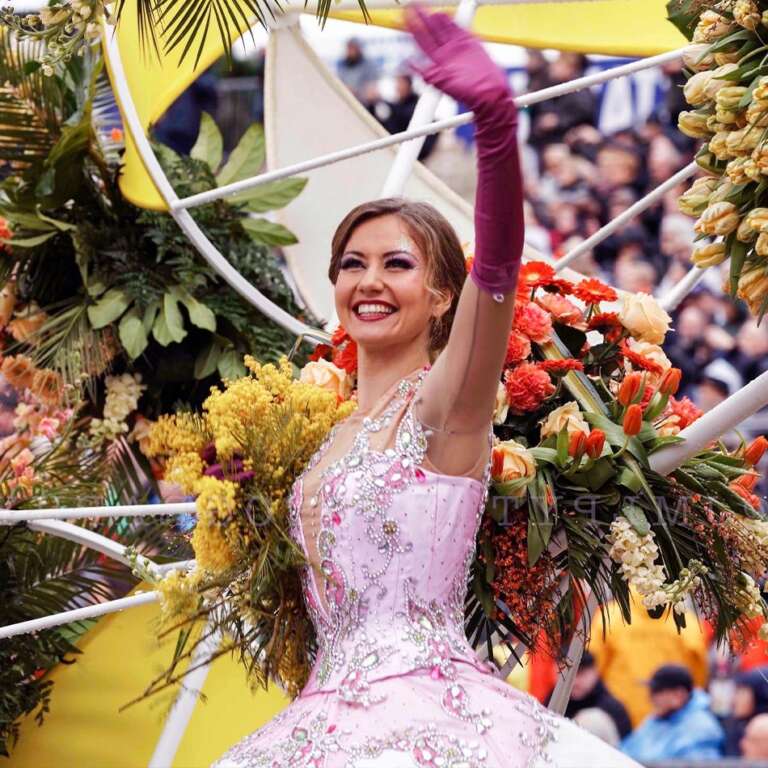
February 11 to March 1, 2026
You will be amazed by a shower of over one hundred thousand flowers falling from the sky.
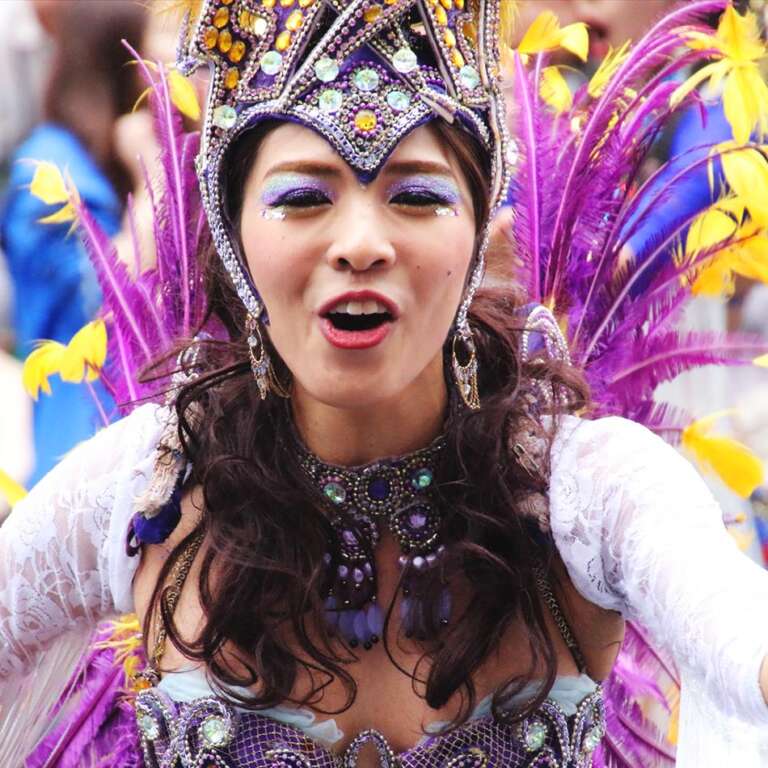
From late August to mid-September 2025
Let yourself be carried away by the magic of Brazilian samba on the streets of Japan.
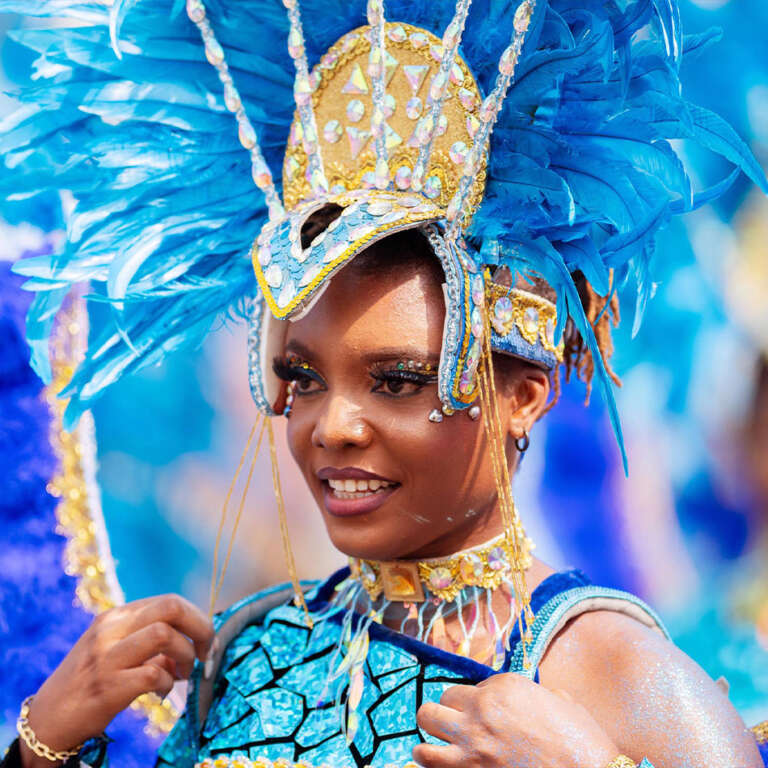
December 1 to December 31, 2025
Over two million tourists visit the Calabar carnival every year, the pride of Nigeria.

From January 31 to February 17, 2026
Venice, a place that merges tradition and elegance, making its carnival a unique experience in life.
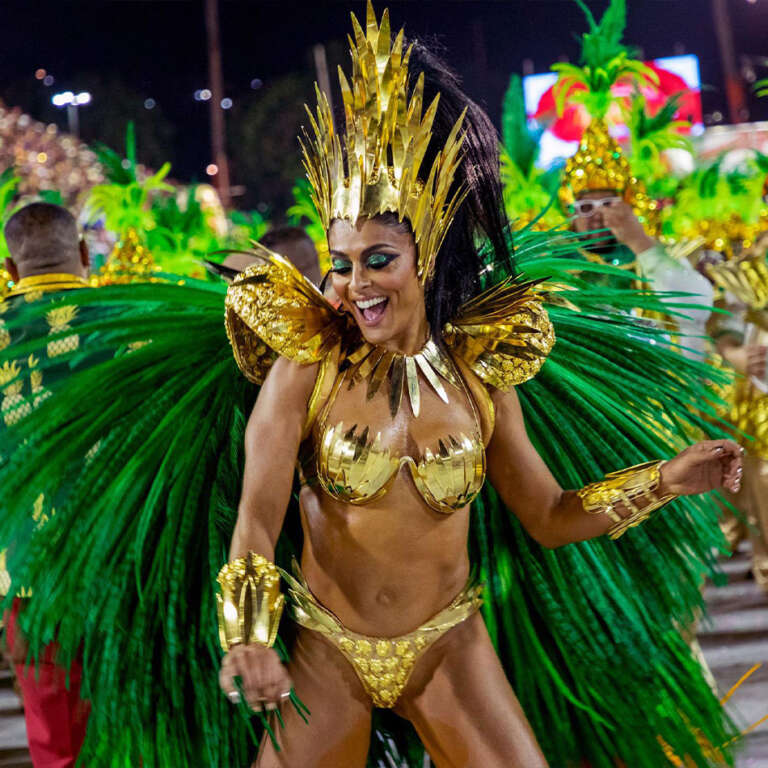
February 13th to February 21st, 2026
Parades, samba, blocos, street parties, masked dances, and nightlife.