Skip to content Skip to footer

New Orleans Mardi Gras

United States

From February 6 to February 17, 2026

New Orleans Mardi Gras 2026: The Ultimate Guide to Conquering Louisiana's Carnival

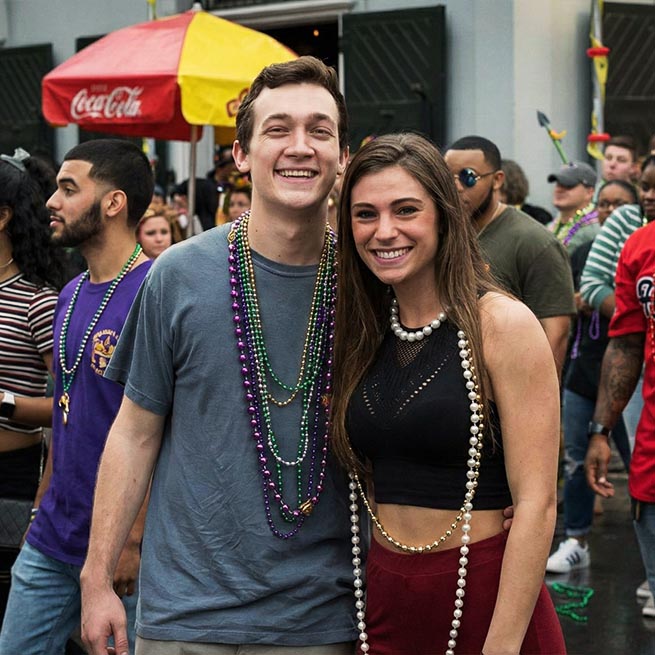
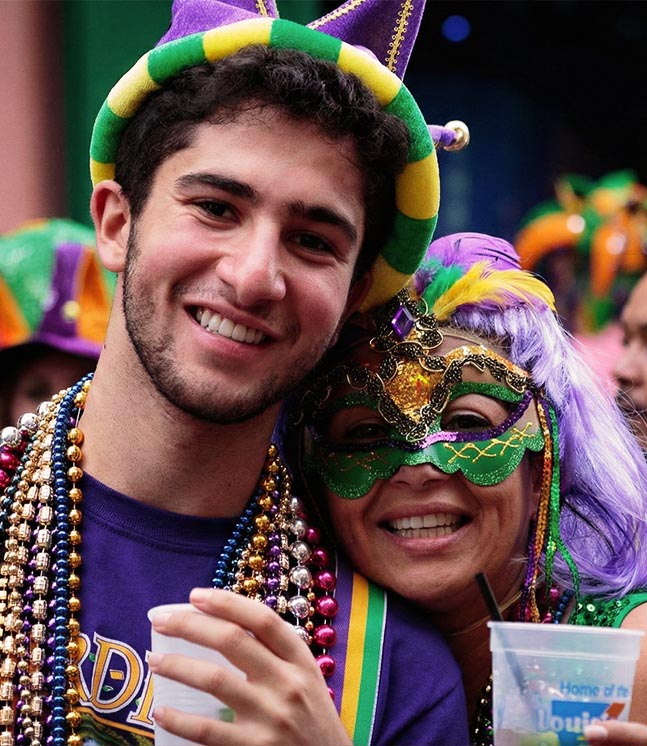
The New Orleans Carnival is unique for its fusion of traditions, spectacular parades, and the famous handing out of beads.

Forget everything you think you know about parties. The Mardi Gras of New Orleans, Louisiana, isn’t just another carnival; it’s an earthquake of music, history, and euphoria that takes over the very DNA of an entire city. It’s a ritual where building-sized floats navigate historic avenues, where millions of necklaces are thrown from balconies, and where the soul of African American tradition parades to the beat of ground-shaking drums. It’s so much more than beads and cocktails on Bourbon Street.

Here, the entire city transforms into a limitless stage, every street is an invitation to adventure, and every night is a promise of unforgettable stories. Get ready to lose yourself among legendary parades, street parties that defy imagination, and a culture that blends tradition, creativity, and pure adrenaline. If you’re looking for an experience that will leave a mark on you forever, this is the place and the time.

But this isn’t just a simple tourist guide. It’s your survival manual and treasure map for the most epic celebration in the United States. Inside, you’ll decipher the carnival’s code: we’ll tell you when to land in the epicenter of the madness, where to plant your flag to see the most legendary parades, which krewes are a must-see, and how to navigate a city that surrenders to the most glorious chaos.

New Orleans

When is Mardi Gras in New Orleans in 2026

New Orleans Mardi Gras is celebrated on dates that mark the climax of the city’s festive season. The choice of these days is no accident: they coincide with the end of winter and the beginning of Lent, turning the calendar each year into a vibrant countdown to the most anticipated moment for locals and visitors alike.

These dates are key because they concentrate the maximum energy, creativity, and participation, completely transforming the city and making every corner breathe with festivity, culture, and tradition. Choosing to be in New Orleans during Mardi Gras means experiencing the heart of the celebration at its most intense moment.

When is Mardi Gras in New Orleans, Louisiana in 2026?

Mardi Gras in New Orleans in 2026 will be celebrated on Tuesday, February 17.

The main parades of the New Orleans Carnival run from Friday, February 6, to Tuesday, February 17, 2026.

During this period, the streets fill with color and music with the most iconic parades, such as Krewe of Endymion, Krewe of Bacchus, Krewe of Zulu, Krewe of Rex, and Krewe of Muses. Each brings its own style, spectacular floats, and unique traditions, making New Orleans the world’s epicenter of celebration and creativity.

Main Events and Programme of The Mardi Gras in New Orleans

Krewe of Endymion
New Orleans
The most spectacular mega-parade
Krewe of Bacchus
New Orleans
Stars and luxury throws
Rex Parade
New Orleans
The undisputed king of Carnival
Zulu Parade
New Orleans
A unique party with flying coconuts
Fat Tuesday Festivities
New Orleans
The unforgettable chaotic climax
Krewe of Endymion
New Orleans
The most spectacular mega-parade
Krewe of Bacchus
New Orleans
Stars and luxury throws
Rex Parade
New Orleans
The undisputed king of Carnival
Zulu Parade
New Orleans
A unique party with flying coconuts
Fat Tuesday Festivities
New Orleans
The unforgettable chaotic climax

What is celebrated at the Mardi Gras in New Orleans

The Mardi Gras or Carnival of New Orleans, Louisiana is much more than the wildest party on the planet, although it certainly is that. At its core, it is the celebration of Fat Tuesday, the last glorious day of total indulgence before Ash Wednesday and the beginning of Lent.

It is a ritual of liberation, a collective catharsis where music takes over the air, creativity explodes on every corner, and social barriers dissolve in a sea of Purple (Justice), Green (Faith), and Gold (Power). It celebrates excess, friendship, and the indomitable spirit of a city that turns joy into an art form.

What are Krewes

If you’ve ever attended New Orleans Mardi Gras and wondered about the people riding the floats, they are known as Krewes. These Krewes are the essence of New Orleans Mardi Gras, playing a vital role in a tradition that has existed since the festival’s inception in the early 1800s.

Krewes are private non-profit social clubs responsible for organizing the city’s official Mardi Gras festivities. They manage over 70 parades along with masquerade balls and parties, effectively funding and planning these grand celebrations.

Today, there are numerous Krewes, each with unique traditions and themes they explore annually. These groups design their floats according to a yearly concept, and even their exclusive Mardi Gras Balls reflect that theme. The officers and captains of each Krewe dedicate themselves year-round to ensuring their parades are a delightful spectacle for locals and visitors alike.

Krewe of Rex – The King of Mardi Gras

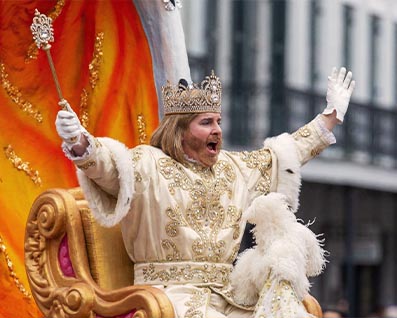
The Krewe of Rex is the oldest and holds a significant presence in modern Mardi Gras celebrations. Established in 1872 by prominent citizens, Rex designates the official King of New Orleans Mardi Gras; interestingly, “Rex” is Latin for king.

The annual Rex parade is one of the main attractions of the Mardi Gras season, famous for its vibrant and intricate themes, along with original costumes and beautifully crafted floats. The Krewe of Rex has also originated many classic Mardi Gras customs, including the official colors and the collectible doubloon coins first introduced in 1960.

Mardi Gras Indians

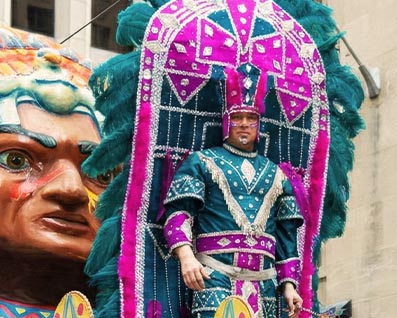
Another distinctive element of New Orleans Mardi Gras is the Mardi Gras Indians. Formed in the mid-1880s by African American communities who had been previously excluded from the celebrations, these groups recreated their own festivities, often mimicking the royal Krewes.

Founded to honor the Native American tribes that assisted runaway slaves, the Mardi Gras Indian Krewes dress in stunning feathered suits as a tribute to these indigenous peoples. In New Orleans, there are over 50 tribes, each with its own chiefs and hierarchies, engaging in a friendly competition to showcase their chiefs’ regalia, with names like Golden Eagles and Creole Wild West.

Super Krewes

Certain parades, referred to as Super Krewes, feature significantly larger floats equipped with advanced lighting and can accommodate three times as many members compared to traditional ones. These parades culminate with the floats parading through the Superdome or the Convention Center, where large galas are held, attended by numerous ticket holders.

The Super Krewe parades begin on the Saturday before Mardi Gras Day, starting with the Krewe of Endymion and the Krewe of Bacchus. This practice originated in the 1960s and has since expanded. Endymion is known for its celebrity Grand Marshals and entertainment, while Bacchus features a celebrity king each year.

The Krewe of Zulu

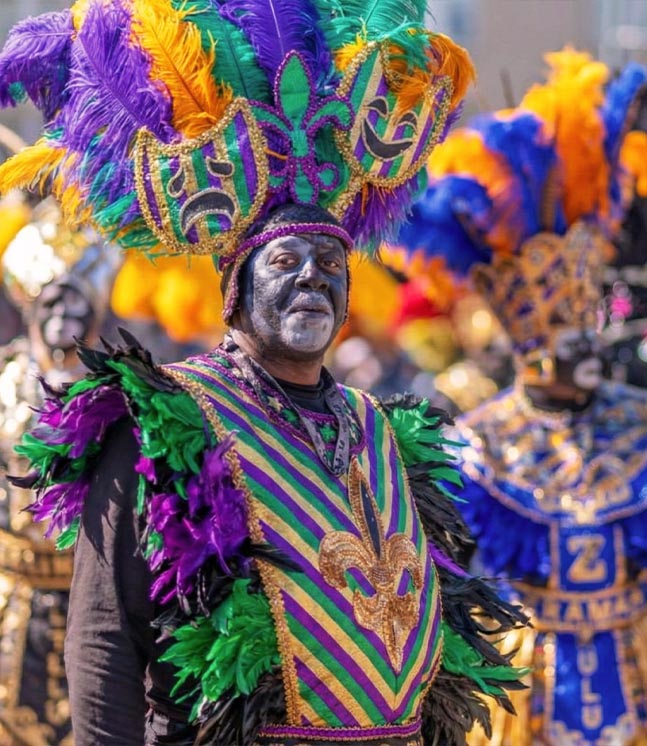
While the Krewe of Rex is often considered the monarchy of carnival, the Krewe of Zulu also holds this distinction. Founded in 1916, the Krewe of Zulu is the first exclusively dedicated to the African American community of New Orleans.

Before its creation, African Americans were generally barred from joining the predominantly white Krewes. The Krewe of Zulu broke this barrier and allowed the African American community to participate in the Mardi Gras festivities.

Mardi Gras Balls and Parties

Each year, over one hundred Carnival Balls are held in New Orleans. Most of these events are by invitation only, although a few are open to the public. Mardi Gras balls have a long history, dating back to when Louisiana was a French colony, and were initially reserved for the city’s elite.

These high-society events follow strict traditions and rituals. Debutantes often make their societal debut at these balls. To allow for broader participation, the Super Krewe Balls were introduced, with Bacchus, Orpheus, and Endymion being noted for hosting the most extravagant balls. Endymion’s post-parade gala typically features performances by celebrities, drawing tens of thousands of attendees.

New Orleans
An American has not seen the United States until he has seen Mardi-Gras in New Orleans.Mark Twain
New Orleans

Where is the Mardi Gras in New Orleans

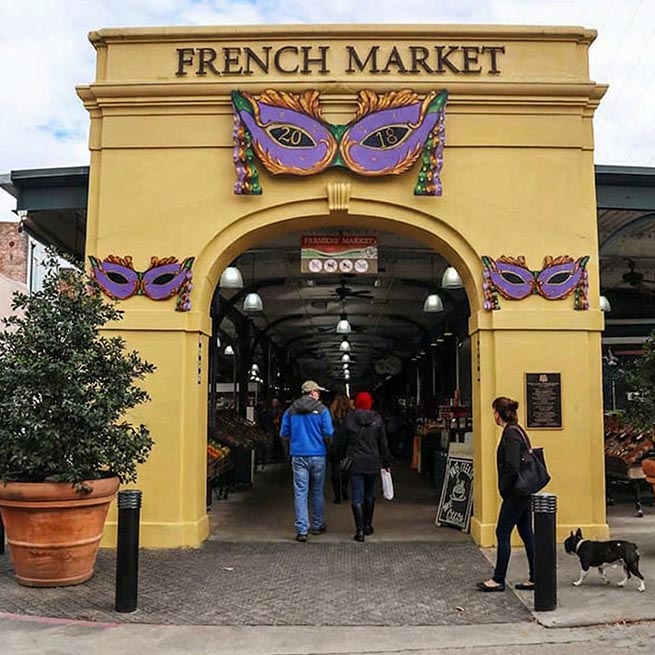
Mardi Gras in New Orleans, Louisiana (USA) is an event that transforms the city into a vibrant spectacle of color, music, and celebration. The ground zero of the party is in the French Quarter, the historic heart of the city, where the carnival magic begins.

The main carnival route extends from Canal Street to Bourbon Street, the epicenter of the festivities. This path is known for its unparalleled bustle and energy, where crowds gather to enjoy the parades and live music.

  1. Canal Street: Start here, as it is the main artery that hosts the grand parades. The Krewes line up along this iconic street, creating a dazzling spectacle.
  2. Bourbon Street: Famous for its nightlife, during Mardi Gras it fills with joy and celebration. Here you can find bars, live music, and, of course, many opportunities to collect beads (necklaces thrown during the parades).
  3. Jackson Square: This iconic square becomes a meeting point for festivals. It’s ideal for enjoying street performers and immersing yourself in the festive atmosphere.

The parades are the heart of Mardi Gras and follow routes that are practically a battle map for attendees. The main streets where the parades take place are:

  • Magazine Street: Many Krewes hold their parades on this street, offering a fascinating view of the floats and marching bands.
  • Tchoupitoulas Street: On this street, you can see some of the largest and most elaborate floats of the carnival.
  • St. Charles Avenue: This is the classic route for the grand Mardi Gras parades. Most Krewes pass through here, guaranteeing an impressive show.
  • Poydras Street: A prime spot to watch the parades, with easy access for many attendees.

Make sure to arrive early and find a good spot with a view of the parade route. The crowds can be dense, especially in the most popular areas.

New Orleans Mardi Gras Photos

History of Mardi Gras in New Orleans

New Orleans Mardi Gras is one of the oldest and most iconic celebrations in the United States, with roots tracing back to European traditions brought by French settlers in the 18th century. The first written references date to 1699, when explorer Pierre Le Moyne d’Iberville named a spot near New Orleans “Pointe du Mardi Gras” in honor of the festival celebrated in France. As early as 1718, with the founding of the city, masked balls and private parties began to be organized, gradually spreading to the streets.

Over the centuries, Mardi Gras has evolved dramatically. In the 19th century, the celebration took on a public and massive character with the appearance of the first organized societies known as “krewes,” responsible for the parades and floats that are the hallmark of the carnival today. The first official parade took place in 1857, organized by the Krewe of Comus, marking the beginning of a tradition that has been maintained and expanded to this day. Sociocultural factors such as the ethnic diversity of New Orleans, African and Caribbean influence, and the city’s rebellious spirit have shaped Mardi Gras, turning it into a unique phenomenon where music, satire, and creativity take center stage.

What makes the New Orleans Carnival in Louisiana truly special are its unique groups and rituals. The krewes, each with its own history and personality, organize spectacular parades with themed floats, throw necklaces and gifts to the public, and choose their own kings and queens. Noteworthy groups include the Krewe of Rex, the Krewe of Zulu, the Krewe of Bacchus, the Krewe of Endymion, and the Krewe of Muses, each contributing its own style and traditions. Furthermore, the presence of the “Mardi Gras Indians,” with their elaborate costumes and tribal dances, adds a unique cultural and artistic dimension not found in any other carnival in the world.

Mardi Gras has been internationally recognized for its cultural value and social impact. In 2001, it was declared an “Intangible Cultural Heritage” by the state of Louisiana and has been the subject of numerous documentaries, books, and academic studies. The celebration has survived wars, hurricanes, and social crises, demonstrating an ability to adapt and be resilient that keeps it alive and relevant year after year. Historic events like the return of the carnival after Hurricane Katrina in 2006 marked milestones of hope and reconstruction for the city.

Public participation is the fundamental driving force of Mardi Gras. The community is actively involved in preparing costumes, floats, and parties, and both locals and visitors immerse themselves in the celebration, turning the streets into an open stage where everyone is a protagonist. The atmosphere of camaraderie, creativity, and freedom is what makes New Orleans Mardi Gras unique and different from any other, keeping alive a tradition that constantly reinvents itself and continues to win hearts both inside and outside the city.

New Orleans
If you want more information, you can always visit their official websiteOfficial Website

Tips for the Mardi Gras in New Orleans

Here are the best tips for the Carnival in New Orleans.
  • Watch the Parades: Attending the parades is key to Mardi Gras. These colorful events, organized by different krewes, offer the chance to catch throws and are free of charge.
  • Parties on Bourbon Street: Bourbon Street is the heart of the party. This place attracts many locals and tourists, where the streets are filled with revelry, drinking, and fun. However, it is not a family-friendly environment.
  • Eat King Cake: The King Cake is a traditional Mardi Gras sweet. It is characterized by its colorful icing and contains a small plastic baby. Whoever finds it must host the next year's party.
  • French Quarter: The French Quarter is the epicenter of the celebrations, full of magnificent parades and street parties. Alcohol and festive behavior are abundant here.
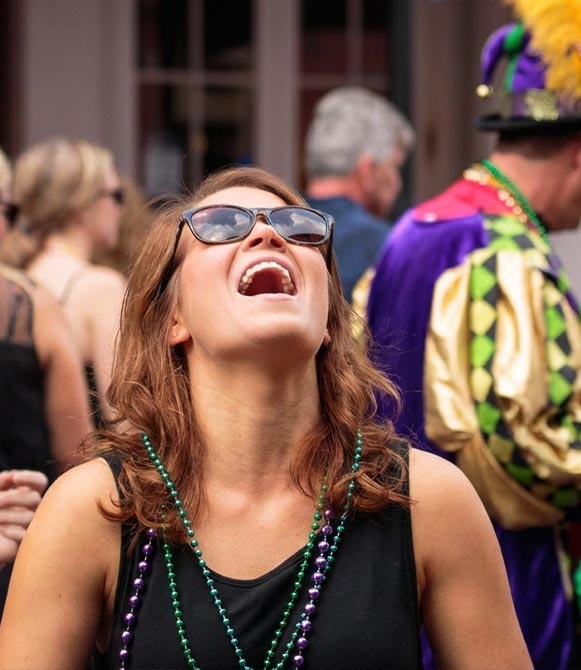
  • Collect Throws: Throws are gifts tossed from the parade floats, ranging from toys to bead necklaces. Collecting these unique items is one of the best Mardi Gras experiences.
  • Celebrate in the Bars: The bars in the French Quarter are ideal for celebrating. They offer delicious drinks and a festive atmosphere.
  • Flambeaux: Flambeaux are iron poles used to light the parades. This pre-electric tradition is fascinating and exciting.
  • Lundi Gras: Lundi Gras is a celebration that includes live music and fireworks.
  • Bacchus Party and Parade: The Bacchus celebration takes place on the Sunday before Mardi Gras, featuring a parade followed by a large party with live music.
  • Mardi Gras Balls: These balls are exclusive to krewe members, but some sell tickets to the public, offering a unique experience.
  • Enjoy Jazz: New Orleans is the birthplace of jazz, and enjoying its music in the numerous venues and bars that offer jazz nights is a must.
  • New Orleans Delicacies: The city is famous for its rich cuisine. During Mardi Gras, there is a variety of restaurants and local dishes you can't miss.
  • Café du Monde: This iconic café is known for its chicory coffee and delicious beignets. It is open 24 hours, although there may be lines.

What to See and Do in New Orleans Carnival

You have no idea what to do, what to see, where to stay, where to eat, how to get there, or what to bring to not miss out on the New Orleans Mardi Gras. Relax, here we tell you everything you need. Just prepare to enjoy it like never before.

New Orleans

What to Do

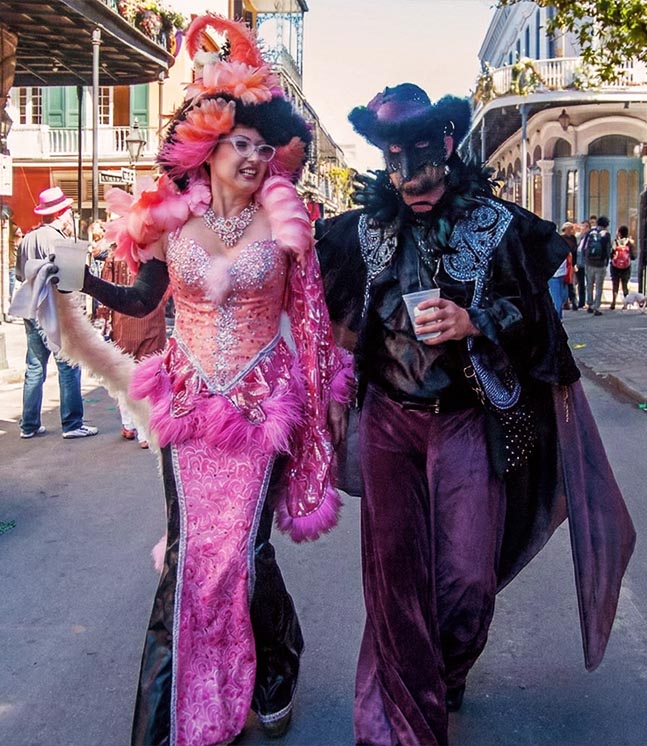
What to do at New Orleans Mardi Gras? New Orleans Mardi Gras offers much more than just the grand parades. If you're looking for authentic experiences, dive into the street parties that fill the French Quarter and Bourbon Street with music, costumes, and endless joy. Here, every corner becomes an impromptu stage where locals and tourists dance, sing, and share the unique energy of the carnival.

Outside of the main events, you can explore historic bars with live music, participate in costume contests, discover pop-up art galleries, and join spontaneous picnics in squares like Jackson Square. Don't miss the craft markets and mask shops, where you can find unique souvenirs and experience the creative spirit of New Orleans. Every day is an opportunity to discover secret spots and unexpected activities that make Mardi Gras an unforgettable experience.

New Orleans

What to See

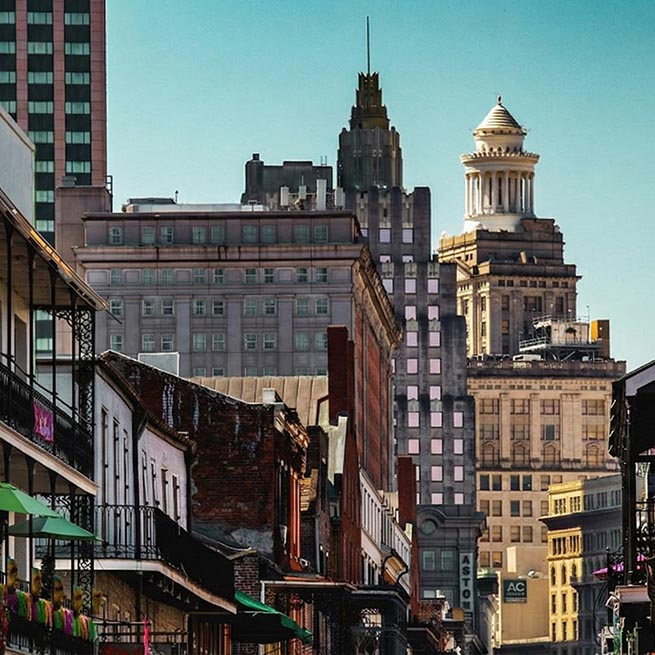
What to see at New Orleans Mardi Gras? During New Orleans Mardi Gras, the city becomes a true open-air museum. The French Quarter is the epicenter, with its colorful balconies and the legendary Bourbon Street, where the party never stops. A stroll down Royal Street will allow you to discover art, music, and historic architecture on every corner.

Among the must-see points of interest are St. Charles Avenue, where the most famous floats parade, and Canal Street, which transforms into a vibrant avenue of music and confetti. Don't miss Jackson Square, the cultural heart of the city, or Mardi Gras World, where you can get an up-close look at the most spectacular floats and costumes. Additionally, the Garden District and Mid-City offer a unique perspective of the carnival, with parades and celebrations in a more local and authentic atmosphere.

New Orleans

Where to Stay

Where to stay during New Orleans Mardi Gras? The choice of where to stay during New Orleans Mardi Gras depends entirely on the type of experience you're looking for. If you want to be in the center of the action and not miss a minute of the party, the French Quarter and Bourbon Street are ideal: here you'll find everything from boutique hotels to lively hostels, perfect for those seeking a 24-hour festive atmosphere.

For a more relaxed experience but still close to the parades, St. Charles Avenue and the Garden District offer historic hotels and charming inns, ideal for resting after a day of celebration. If you prefer more affordable prices and a local vibe, explore options in Mid-City or Faubourg Marigny, where there are hostels, vacation rentals, and guesthouses that will allow you to experience Mardi Gras like a true New Orleanian.

New Orleans

Where to Eat

Where and what to eat during New Orleans Mardi Gras? Mardi Gras is the perfect time to dive into the most authentic local fast food and street food in New Orleans. You can't miss the po'boys, crispy sandwiches filled with seafood or meat, or the beignets, those irresistible powdered sugar-covered doughnuts you'll find at cafes like Café du Monde. On every corner, food trucks and street vendors offer gumbo and jambalaya, hot and flavorful dishes perfect for refueling between parades.

If you're looking for something unique, try the king cake, the traditional Mardi Gras pastry, decorated in purple, green, and gold, which hides a surprise inside. Also, don't miss the chance to savor fresh oysters, crawfish étouffée, or red beans and rice, classics of Creole and Cajun cuisine. Whether in historic French Quarter restaurants or at street stalls, New Orleans' gastronomy is a feast for the palate during carnival.

New Orleans

How to Get There

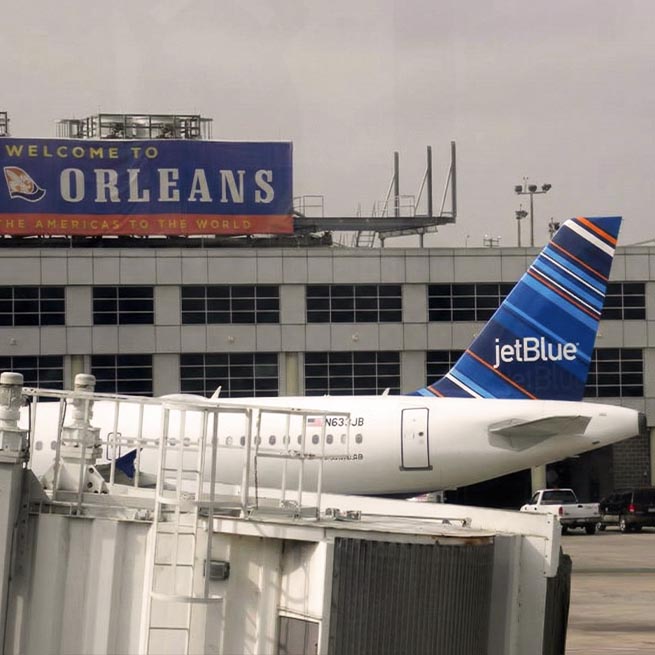
How to get to New Orleans Mardi Gras? Getting to New Orleans Mardi Gras is easy for both domestic and international travelers. The Louis Armstrong International Airport connects New Orleans with direct national and international flights; from there, you can take a shuttle, taxi, or ridesharing services like Uber to downtown. If you arrive by train or bus, the Union Passenger Terminal is just minutes from the main party areas.

To get around the city during Mardi Gras, the most practical option is to use the St. Charles Avenue streetcar, which drops you near the most famous parades, or to walk through the French Quarter and Downtown, as many streets are closed to traffic. You can also opt for public bikes or electric scooter rental services. If you're traveling by car, keep in mind that parking is limited and many areas are restricted, so it's best to leave your vehicle at your accommodation and enjoy the carnival on foot or by public transport.

New Orleans

What to Bring

What to bring for New Orleans Mardi Gras? To make the most of New Orleans Mardi Gras, it's essential to pack a list of essentials to help you survive the party and the changing weather. Don't forget a light raincoat or poncho for rain, comfortable, closed-toe shoes for walking long distances and protecting your feet from being stepped on, and a small backpack to store your belongings, water, and snacks. Add sunscreen, sunglasses, and a portable battery for your phone, as you'll be spending many hours on the street and will want to capture every moment.

As for outfits, the key is creativity and comfort. Opt for colorful clothing, eye-catching costumes, and, if you're up for it, a mask or sparkly accessories to blend into the festive atmosphere. Don't forget a light jacket for cool evenings, and if you're attending night parades, something reflective or bright to stand out in the crowd. With these essentials, you'll be ready to experience Mardi Gras like a true local and without a worry.

Discover More Interesting Things

carnival masks history
Discover

Carnival Masks and their History

Masks throughout history have been one of the most sacred objects for many civilizations. To understand why they are, it is necessary to delve into their history.

You're Going to Love This

New Orleans
United States

New Orleans

From February 6 to February 17, 2026
The New Orleans Carnival is unique for its fusion of traditions, spectacular parades, and the famous handing out of beads.

Asakusa
Japan

Asakusa

From late August to mid-September 2025
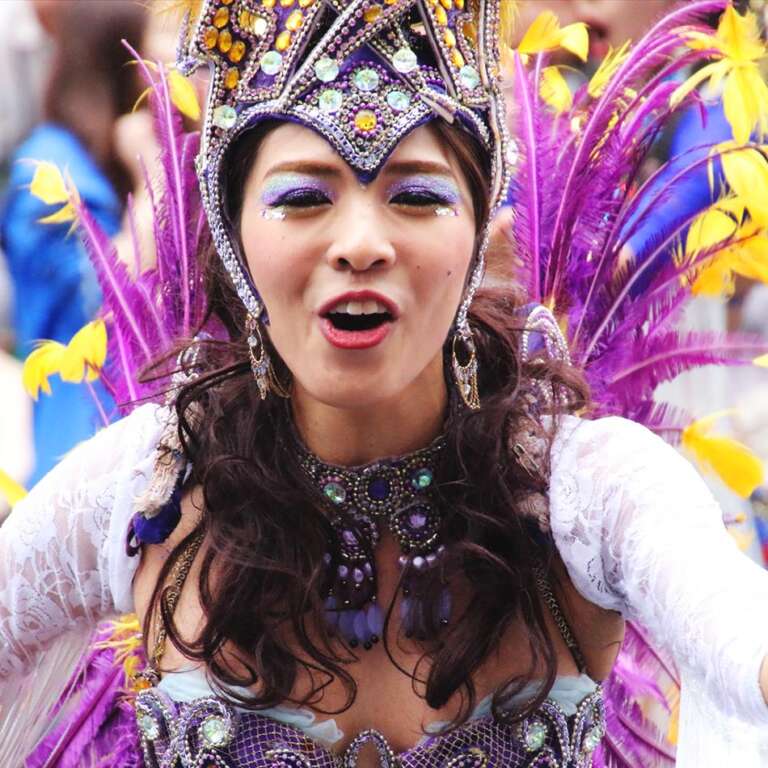
Let yourself be carried away by the magic of Brazilian samba on the streets of Japan.

Calabar
Nigeria

Calabar

December 1 to December 31, 2025
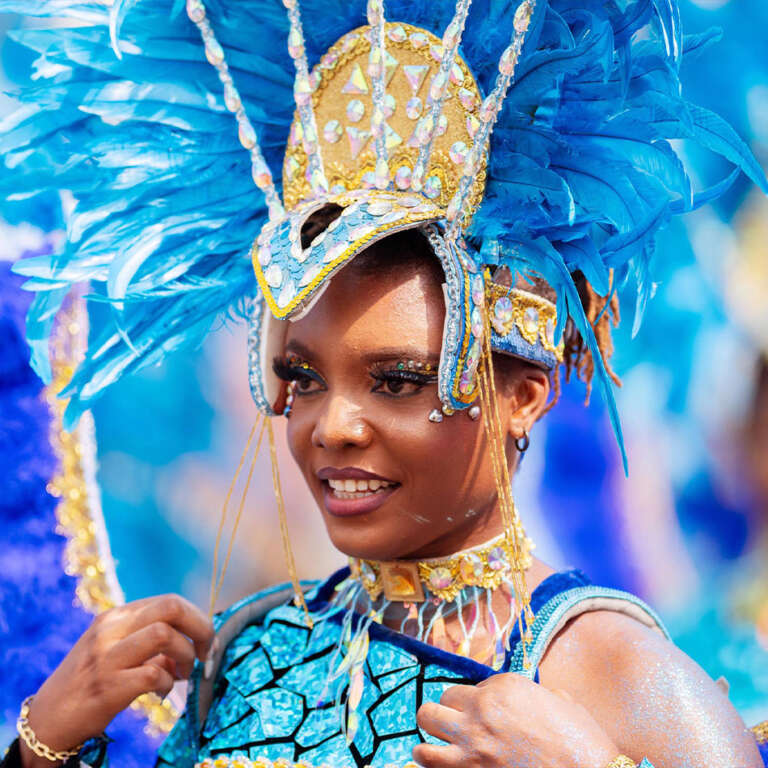
Over two million tourists visit the Calabar carnival every year, the pride of Nigeria.

Nice
France

Nice

February 11 to March 1, 2026
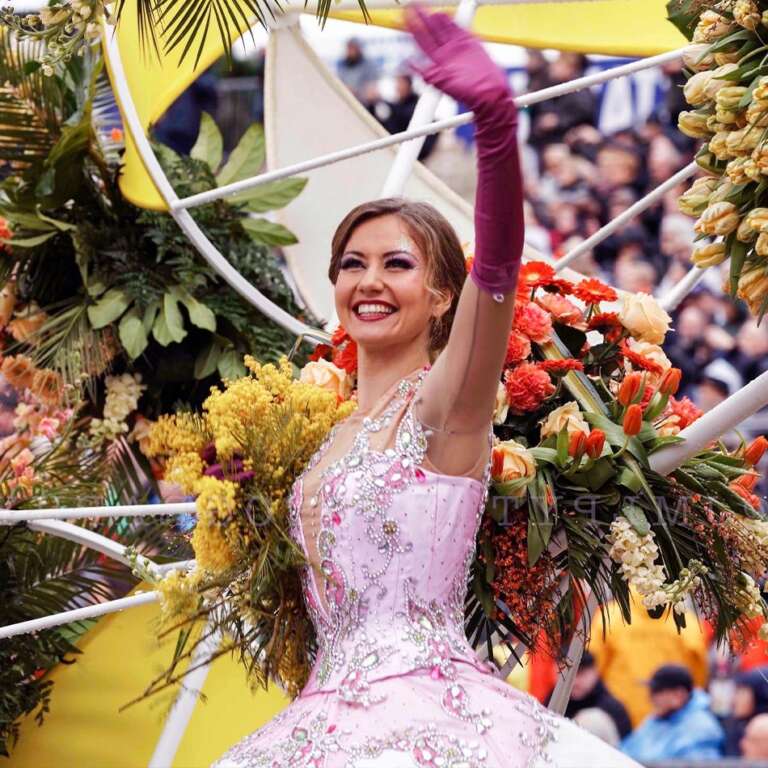
You will be amazed by a shower of over one hundred thousand flowers falling from the sky.

Viareggio
Italy

Viareggio

February 1 to 21, 2026
Giant floats, beautiful masks, hypnotic dances, joy, and fun.

Rio de Janeiro
Brazil

Rio de Janeiro

February 13th to February 21st, 2026
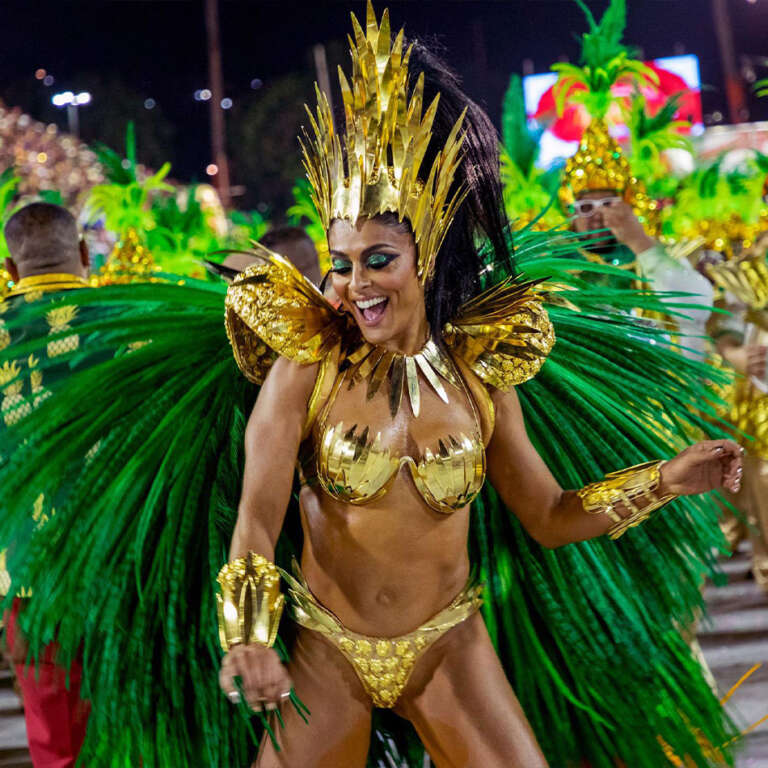
Parades, samba, blocos, street parties, masked dances, and nightlife.
carnivality
Privacy Overview

This website uses cookies so that we can provide you with the best user experience possible. Cookie information is stored in your browser and performs functions such as recognising you when you return to our website and helping our team to understand which sections of the website you find most interesting and useful.